Clothes Dryer Repair in Berlin, NH
Overview of Clothes Dryer Repair Services
Clothes dryer repair in Berlin, NH focuses on diagnosing and restoring household dryers that are no longer producing heat, failing to tumble properly, or taking too long to dry laundry. Appliance Repair NH provides structured repair services for both electric and gas dryer systems commonly used in residential homes throughout Berlin.
Clothes dryers operate through a combination of heat generation, airflow circulation, and drum rotation to remove moisture from fabrics. When any part of this system becomes faulty, drying performance declines significantly. In Berlin, NH, where colder seasons often lead to heavier indoor laundry use, dryers are frequently pushed to higher workloads, which can accelerate wear on internal components.
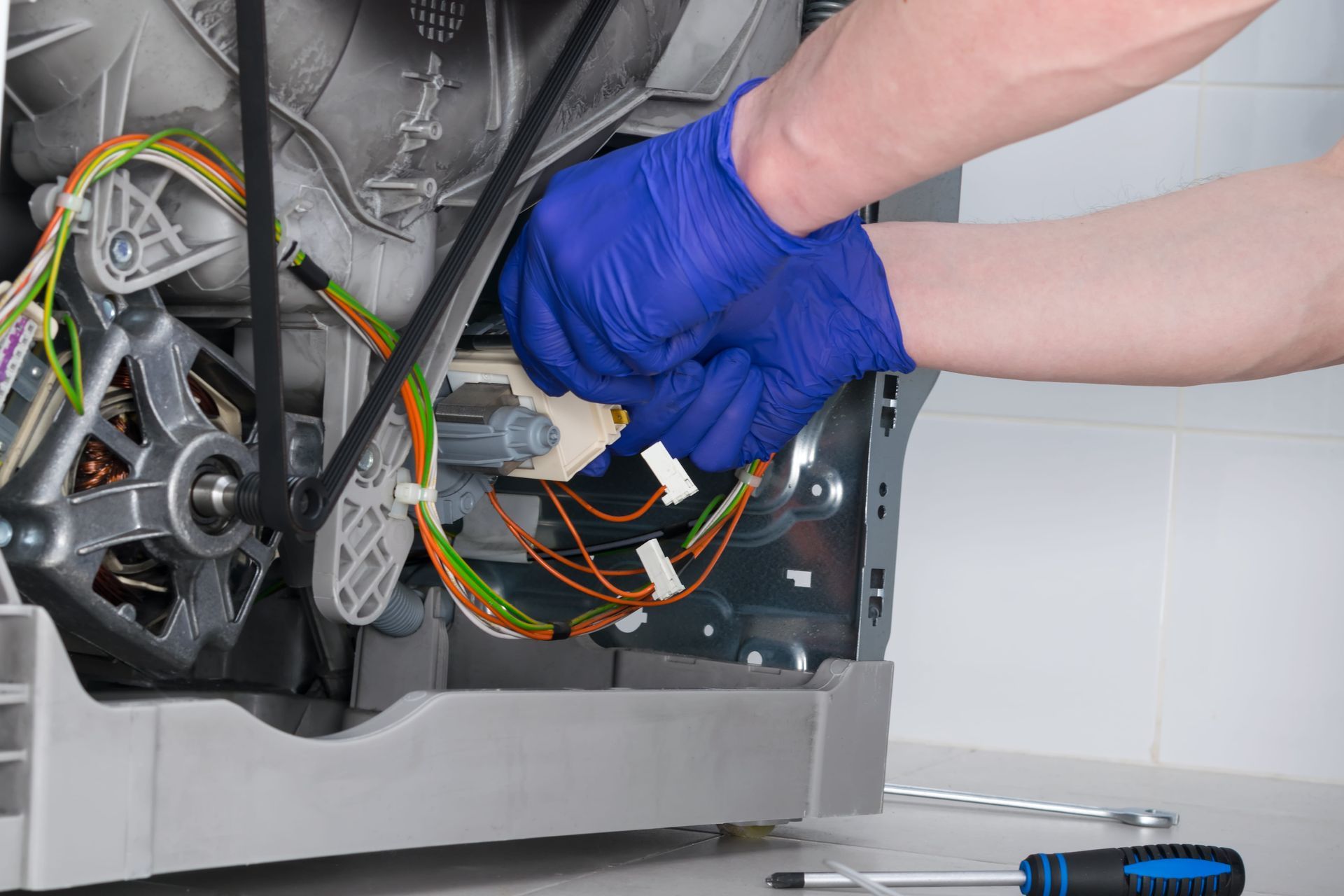
This service involves a detailed inspection of heating systems, drum mechanisms, airflow pathways, and electrical controls. Appliance Repair
NH focuses on identifying the exact source of malfunction to restore proper drying performance and ensure consistent operation across full drying cycles.
Common Clothes Dryer Problems in Berlin, NH Homes
Dryers often show clear warning signs before complete failure occurs. These symptoms typically relate to heat, airflow, or mechanical movement issues.
No Heat or Insufficient Heating
One of the most common dryer issues is a lack of heat during operation. This can result in damp clothes even after a full cycle. The cause may involve a failed heating element in electric dryers or ignition and gas flow issues in gas-powered units. Thermal fuses or thermostats may also interrupt heat production if overheating is detected.
Dryer Not Tumbling or Drum Not Moving
When the dryer drum fails to rotate, clothes remain stationary and do not dry evenly. This issue is often linked to worn drive belts, motor failure, or damaged drum rollers. In some cases, mechanical obstruction or broken support components may prevent normal movement.
Long Drying Times and Poor Efficiency
Extended drying cycles often indicate restricted airflow or partial heating failure. Lint buildup in vents, clogged filters, or weak exhaust airflow can prevent moisture from being properly removed from the drum. Over time, this results in inefficient drying performance.
Overheating and Automatic Shutdown
Dryers may shut off unexpectedly when internal temperatures exceed safe operating limits. This is typically caused by blocked ventilation systems or malfunctioning temperature sensors. Safety mechanisms are designed to prevent fire hazards by stopping operation when overheating is detected.
Diagnostic Process for Clothes Dryer Systems
Clothes dryer repair requires careful evaluation of both heat generation and airflow systems, along with mechanical rotation components.
- Heating System Evaluation: The diagnostic process begins by testing the heating element or gas ignition system depending on dryer type. Electrical continuity and resistance levels are measured to determine whether the heating component is functioning within expected parameters.
- Airflow and Ventilation Inspection: Airflow pathways are inspected for lint buildup, blockages, or structural restrictions. Proper ventilation is essential for removing moist air from the drum and maintaining consistent drying efficiency.
- Drum and Motor Assessment: The drum rotation system is evaluated by inspecting belts, rollers, bearings, and motor output. Any irregular resistance or mechanical wear can affect tumbling performance and drying consistency.
- Electrical Control and Sensor Testing:
Control boards, thermostats, and moisture sensors are tested to ensure accurate cycle regulation. Faulty sensors can misread humidity levels and prematurely end or extend drying cycles.
Key Components Involved in Dryer Repair
Clothes dryers depend on a combination of heating, airflow, and motion systems working together in a controlled cycle.
- Heating Element or Burner Assembly: Electric dryers use heating elements, while gas dryers rely on burner assemblies and ignition systems. These components are responsible for generating the heat required to evaporate moisture from clothing.
- Drum Belt and Drive Motor: The drum belt connects the motor to the drum, enabling rotation. The motor provides the mechanical force needed to maintain consistent tumbling throughout the drying cycle.
- Thermal Fuses and Safety Sensors: Thermal fuses and temperature sensors prevent overheating by shutting down the dryer if unsafe conditions are detected. These components are essential for safe operation.
- Exhaust Vent and Air Duct System:
The vent system removes hot, moist air from the dryer. Blockages in this system significantly reduce drying efficiency and can lead to overheating or prolonged cycle times.
Mechanical and Airflow-Related Drying Issues
Dryer performance issues often stem from a combination of restricted airflow and mechanical wear.
- Lint Accumulation in Vent Lines: Lint buildup is one of the most common causes of reduced dryer efficiency. When airflow is restricted, moisture remains inside the drum, extending drying times and increasing energy usage.
- Drum Friction and Mechanical Resistance: Worn rollers, bearings, or belts can create resistance in drum rotation. This results in uneven tumbling and reduced drying effectiveness, especially with heavier loads.
- Sensor Misreading and Cycle Irregularities:
Moisture sensors and thermostats regulate cycle duration. When these sensors malfunction, dryers may stop too early or continue running longer than necessary.
Clothes dryer repair services by Appliance Repair NH are available throughout Berlin, NH and surrounding residential areas. Service scheduling is based on appliance condition and the severity of the issue, particularly when dryers are no longer producing heat or completing cycles properly.
Dryers that fail to operate entirely or present safety-related issues such as overheating are prioritized for immediate diagnostic attention. Units experiencing reduced efficiency or longer drying times are scheduled for standard service visits to prevent further mechanical or airflow degradation.
Repair work is focused on restoring full drying functionality, ensuring proper heat production, drum rotation, and airflow balance throughout each cycle. Each service visit is directed toward identifying and correcting the root cause of failure to maintain consistent and reliable dryer performance in household laundry systems.