Washing Machine Repair in Berlin, NH
Overview of Washing Machine Repair Services
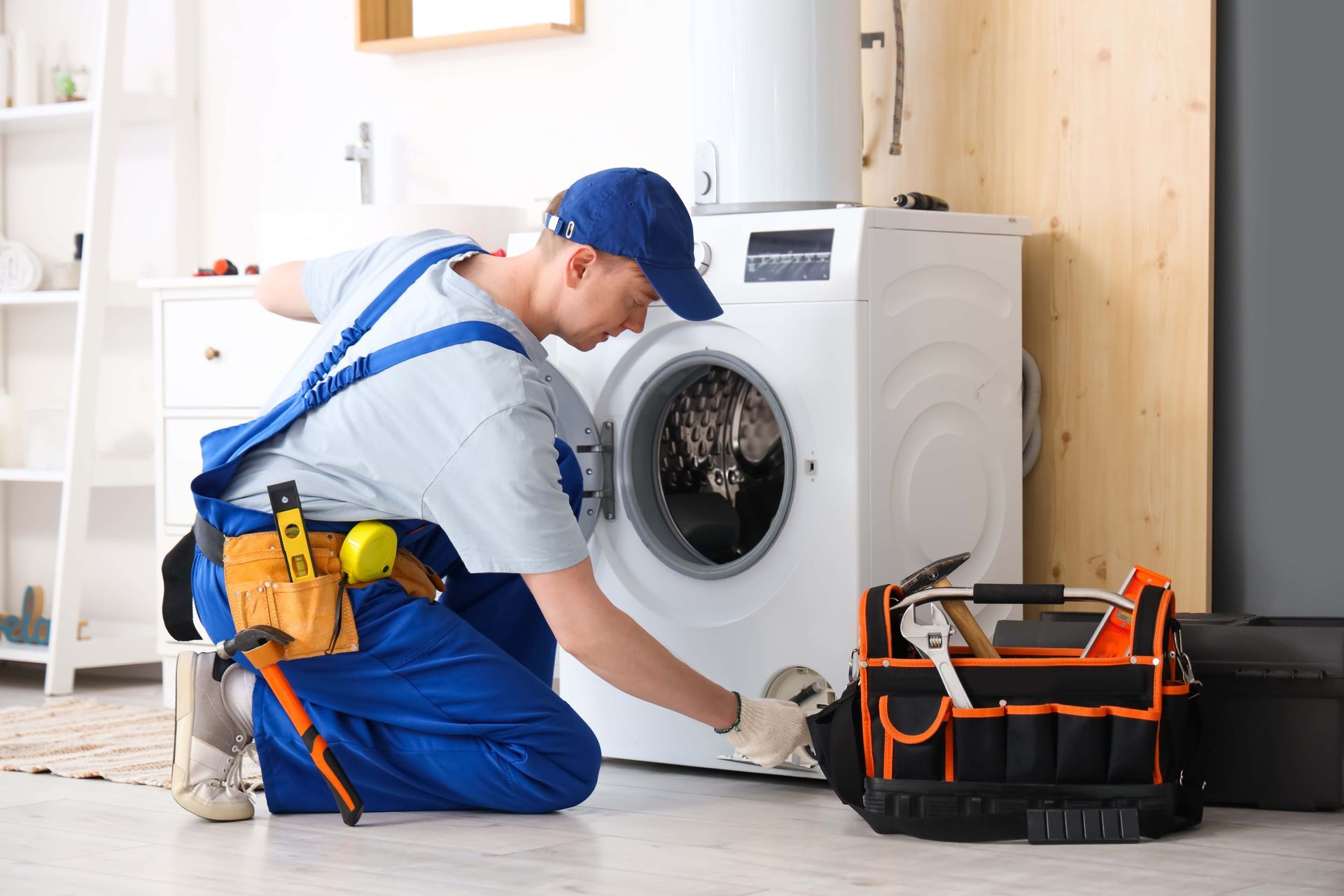
Washing machine repair in Berlin, NH focuses on diagnosing and restoring laundry appliances that have developed mechanical, electrical, or drainage-related faults during regular household use. Appliance Repair NH provides structured repair services for both top-load and front-load washing machines commonly found in residential homes throughout Berlin.
Washing machines operate through a coordinated system of water intake, agitation, spinning, and drainage cycles controlled by mechanical components and electronic boards. When any part of this system fails, the appliance may stop mid-cycle, fail to spin, or refuse to drain water properly. In Berlin, NH, where seasonal humidity and water hardness can affect appliance performance, washing machines often experience gradual wear that leads to operational inconsistencies over time.
This service involves detailed diagnostic evaluation of internal systems, including motor function, pump operation, sensor readings, and control board performance. Appliance Repair
NH focuses on identifying the exact source of failure before performing any repair work to ensure accurate restoration of function.
Common Washing Machine Problems in Berlin, NH Homes
Washing machines typically present a range of symptoms that indicate underlying mechanical or electrical issues.
Drainage and Water Removal Issues
Drainage problems occur when water remains in the drum after a cycle or drains too slowly. This condition is often caused by blocked pumps, clogged hoses, or malfunctioning drain motors. Over time, lint buildup and debris accumulation can restrict water flow through the drainage system.
Spin Cycle Failure or Weak Spinning
Spin cycle issues are commonly reported when clothes remain excessively wet after washing. This may be caused by a worn drive belt, faulty motor coupling, or imbalance detection errors from internal sensors. In some cases, overloaded drums can also trigger automatic spin cancellation.
Water Filling and Intake Problems
When a washing machine fails to fill properly or stops mid-fill, the issue may be linked to inlet valve failure, water pressure inconsistencies, or electronic control malfunctions. Sediment buildup in valves is also a frequent cause of restricted water flow.
Unusual Noises and Vibration During Operation
Excessive vibration, banging sounds, or grinding noises typically indicate mechanical wear inside the drum assembly. Damaged bearings, loose components, or uneven loading can all contribute to abnormal movement during wash or spin cycles.
Diagnostic Process for Washing Machines
Washing machine repair requires a structured evaluation process due to the combination of water systems, mechanical movement, and electronic controls involved in operation.
- Cycle Behavior Observation: The diagnostic process begins with observing a full or partial wash cycle to identify when the failure occurs. This includes monitoring water intake, agitation, drainage, and spin transitions.
- Electrical and Control System Testing: Electrical components such as control boards, timers, and sensors are tested to ensure proper signal transmission. Faulty wiring or damaged circuits can interrupt cycle progression even when mechanical components are functional.
- Motor and Drive System Evaluation: The motor assembly is inspected for wear, overheating, or irregular torque output. Drive belts, couplings, and pulleys are also checked for tension and alignment issues that may affect drum movement.
- Water Flow and Drainage Inspection: Hoses, pumps, and filters are evaluated for blockages or leaks. Water flow consistency is tested to determine whether the appliance is receiving and expelling water at the correct rate during each cycle stage.
Key Components Involved in Washing Machine Repair
Washing machines rely on a combination of mechanical and electronic systems that must operate in sync to complete a wash cycle.
- Drum and Agitator Assembly: The drum holds clothing during wash cycles, while the agitator or impeller creates movement to clean fabrics. Wear in bearings or mounting systems can affect stability and washing efficiency.
- Motor and Drive Mechanism: The motor powers both agitation and spinning functions. Depending on the model, it may be connected through belts, direct drive systems, or coupling assemblies. Electrical faults or mechanical wear can impact performance.
- Water Inlet and Drain Pump System: Water inlet valves control filling, while drain pumps remove wastewater after each cycle. These components are essential for maintaining proper cycle progression and preventing water retention.
- Electronic Control Board:
The control board manages all cycle functions, including timing, temperature selection, and spin speed. Faults in this system can lead to incomplete cycles or random shutdowns.
Mechanical and Electrical Fault Patterns
Washing machine issues often develop from a combination of wear and system stress rather than a single point of failure.
- Load Imbalance and Sensor Response: Modern machines use sensors to detect load imbalance during spinning. When imbalance is detected, the cycle may pause or stop entirely to prevent damage. Faulty sensors or repeated overload conditions can lead to recurring interruptions.
- Wear-Related Mechanical Degradation: Continuous use causes gradual wear in moving parts such as bearings, belts, and suspension systems. This wear can lead to noise, vibration, and reduced spin efficiency over time.
- Electrical Signal Interruptions: Intermittent electrical faults can disrupt communication between the control board and mechanical components. This may result in unpredictable cycle behavior or failure to start.
Washing machine repair services provided by Appliance Repair NH are available throughout Berlin, NH and surrounding residential communities. Service appointments are scheduled based on appliance condition and the severity of the malfunction.
Machines that are completely non-operational or leaking water are prioritized for immediate diagnostic attention. Appliances showing early signs of performance issues such as slow drainage or weak spinning are scheduled for standard evaluation to prevent further system damage.
Repair work is focused on restoring full cycle functionality, ensuring that washing machines operate through complete wash, rinse, and spin stages without interruption. Each repair visit emphasizes accurate diagnosis and system-level restoration to maintain long-term operational stability within household laundry routines.